
Views: 0 Author: Site Editor Publish Time: 2026-04-22 Origin: Site


Every woodworker knows the deep frustration. You drill a perfectly sized standard pilot hole. You drive a standard flathead screw into the board. Suddenly, you hear a sharp, sickening crack. The material splits right down the middle. Professionals often call this catastrophic failure "wood grain murder." Many builders rely on "self-countersinking" screws to prevent this exact disaster. Manufacturers claim these screws cut their own precise recesses. However, these specialty fasteners perform inconsistently in real-world scenarios. They frequently cause massive surface tear-out. Hardwoods and dense composites rarely tolerate them well. We clearly need a much more reliable solution for flush fastening.
This guide explains exactly what Countersink Bits are used for in professional woodworking and metalworking environments. We will thoroughly dissect the mechanical physics behind these essential tools. We will also provide a comprehensive technical evaluation framework. This framework helps you shortlist the ideal tool based on material type, production volume, and your required surface finish. You will learn how to match tool geometry perfectly to your chosen hardware.
Mechanical Shift: Countersink bits convert destructive lateral shear forces (outward expansion) into secure vertical clamping forces.
Critical Standardization: Matching the bit angle to the fastener is mandatory (e.g., 82° for Unified/US hardware, 90° for ISO/Metric).
Chatter Prevention: Achieving a smooth, wave-free finish relies on balancing spindle speed, feed pressure, and choosing the right flute geometry.
TCO Considerations: Upgrading to carbide-tipped bits with thrust ball-bearing stop collars significantly reduces material scrap rates and finishing time.
We must first examine the dangerous wedge effect. Standard flathead screws feature a V-shaped conical top. They lack a flat underside. If you skip cutting a matching conical recess, the screw acts exactly like a steel splitting wedge. It drives deep into the rigid wood. The wedge shape forces surrounding material outward violently. This action creates immense lateral shear pressure inside the board. The fragile wood fibers separate instantly under stress. The board inevitably splits directly along the grain.
Countersinking fundamentally shifts this mechanical dynamic. A proper cutter solves this destructive physics problem entirely. It physically removes the exact volume of material needed. It shapes a perfect conical seat for the specific hardware. The screw head seats perfectly flush against the wood. Alternatively, it sits slightly sub-flush. You effectively transform destructive outward expansion into highly secure downward holding power. The screw now clamps the joined materials aggressively together.
This process also provides profound aesthetic and structural scalability. Countersinking achieves much more than preventing ugly cracks. It enables truly scalable, high-end finishing techniques. Flush mounting serves a critical functional purpose. It prevents clothing or human skin from snagging on exposed sharp hardware. You can also drive the screw slightly deeper intentionally. This specific technique allows for elegant plugged finishes. You glue matching wood plugs securely over the recessed hardware. You then sand the wooden plug completely flat. The metal fastener disappears completely from view. High-end cabinetry, fine furniture, and marine applications heavily demand these flawless finishes.
Manufacturers produce several distinct tool designs. Each handles specific materials and workflows differently.
These tools feature one, three, or sometimes up to six cutting edges.
Best for: They handle general-purpose heavy chamfering beautifully. They excel heavily in softwoods, hardwoods, and brittle plastics.
Trade-offs: They remain highly prone to intense vibration. You must control your drill spindle speed strictly. High speeds cause the bit to bounce erratically.
Machinists often call them zero-flute cutters. They feature a slanted hole drilled directly through the steel cone.
Best for: They deliver incredibly smooth, burr-free finishes. They perform exceptionally well when safely deburring metal edges. They slice cleanly rather than scraping the surface.
Trade-offs: They exhibit noticeably slower material removal rates. Multi-flute designs cut significantly faster in high-volume wood production.
These specialized tools dominate modern professional workshops.
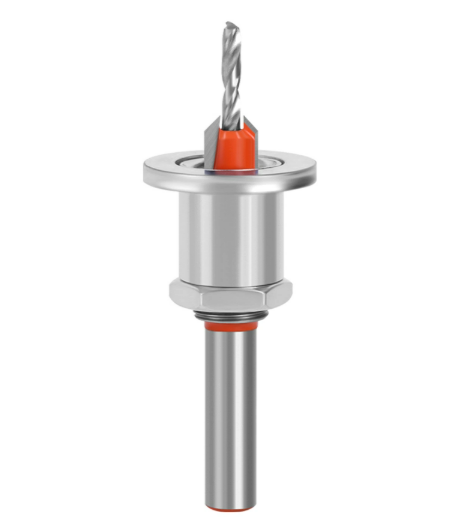
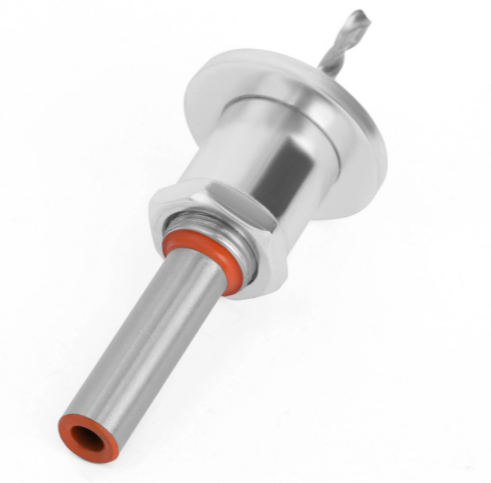
Best for: Fast-paced production environments rely on them heavily. This single tool combines the central pilot drill and the outer countersink cutter. They feature a tiny locking set-screw. This screw allows for rapid drilling depth adjustment. You drill the necessary pilot hole and cut the recess simultaneously. This extreme efficiency cuts workflow time directly in half.
You must carefully differentiate localized hole-making tools from general edge-profiling tools. Novices sometimes confuse recessing operations with basic edge beveling. For example, craftsmen frequently use Router Bits, like standard chamfer bits, to bevel the long outer edges of a wooden board. Conversely, countersink bits strictly create localized, tiny fastener recesses. They prepare specific points for screws. They never shape entire board edges.
You cannot buy these tools blindly. Strict mechanical standards dictate their design.
Angle Matching remains the absolute non-negotiable metric in woodworking. The cut recess angle must perfectly match the screw head taper.
82-Degree: This represents the strict standard for Unified Thread woodworking screws. North American tool manufacturers use this specific profile almost exclusively.
90-Degree: This serves as the universal standard for ISO and Metric fasteners. European hardware relies completely on this precise geometry.
100-Degree: Aerospace applications and highly specific industrial fasteners require this broader, flatter angle.
Risk: Never force an 82-degree screw into a 90-degree hole. The severe geometric mismatch creates dangerous stress points. In dense hardwood, applying heavy torque will literally snap the metal screw head off. The broken shaft remains permanently stuck inside the wood.
Material Durability strongly dictates long-term performance. High-Speed Steel (HSS) tools are highly affordable upfront. However, they dull extremely quickly in abrasive MDF or dense exotic hardwoods. Dull steel blades grab and ruthlessly tear delicate fibers. Carbide-tipped cutters offer vastly superior edge retention. They cost significantly more initially. Yet, they deliver perfectly clean cuts and ensure excellent long-term Return on Investment.
Depth Stop Mechanisms guarantee repeatable precision. Achieving uniform recess depth requires physical stops. Standard friction stop collars spin directly against the delicate workpiece. This constant friction inevitably causes ugly, dark surface burn marks. Premium "No-Mar" thrust ball-bearing stops solve this annoying issue permanently. The inner mechanism spins freely. The outer ring stops spinning immediately upon contacting the wood surface. It leaves absolutely zero friction marks behind.
Tool Feature | Standard / Budget Grade | Premium / Industrial Grade |
|---|---|---|
Cutting Material | High-Speed Steel (HSS) | Carbide-Tipped |
Edge Retention | Dulls quickly in dense MDF | Stays sharp through thousands of cuts |
Depth Stop Type | Solid Friction Collar | Thrust Ball-Bearing Collar |
Surface Damage Risk | High (Leaves dark burn rings) | Zero (Outer ring stops spinning) |
Best Application | Occasional weekend DIY projects | High-volume cabinet shops |
Buying the best tool solves only half the problem. You must also master execution. To achieve sheer perfection, we must carefully manage four core operational variables.
Size: The maximum outer diameter of the cutter must slightly exceed your screw head diameter. A perfectly sized recess guarantees complete, unimpeded hardware seating.
Speed (RPM): Rotational speed heavily dictates heat generation. High speeds generate immense excess thermal energy. They rapidly burn the wood material and destroy the steel temper. Low spindle speeds remain absolutely essential for clean, wave-free cuts.
Pressure (Feed Rate): Downward feed pressure controls mechanical stability. Steady, exceptionally firm pressure prevents the sharp bit from violently dancing or skipping across the hard surface.
Angle: Precision requires perfect physical alignment. Absolute perpendicularity to the workpiece remains mandatory. An angled drilling approach creates ugly, uneven oval-shaped recesses. The screw will sit crookedly.
We must specifically address troubleshooting "Chatter." Chatter refers to dangerous harmonic resonance during the cutting phase. It leaves a terribly ugly, wavy finish inside the conical hole. The cutting edges bounce harmonically against the dense wood grain. This ruins the seating surface.
How do you fix this annoying problem? First, drastically lower your drill spindle speed. Second, boldly increase your downward feed pressure. This forces the bit to engage continuously. Finally, consider upgrading your actual tool architecture. Utilize an asymmetrical or irregular-pitch fluted bit. The intentionally varied blade spacing effectively breaks the physical resonance entirely. The bouncing stops instantly.
We must thoroughly analyze tool economics. Professional shops calculate the True Cost of Cheap Bits daily. Managers must rigorously analyze Total Cost of Ownership (TCO) and Return on Investment (ROI). They should frame this ROI strictly around material scrap mitigation and labor time.
A dull, budget-friendly bit performs miserably in demanding environments. It actively causes severe surface tear-out. It frequently leaves deep, dark burn marks around every hole. Workers must then perform tedious, labor-intensive sanding to fix these errors. Worse, you might discard ruined, expensive exotic materials entirely. Cheap tools artificially inflate your daily labor costs exponentially.
You must know when to invest in Premium Assemblies. High daily production volumes demand significantly better tools. You should actively invest in an all-in-one, carbide-tipped assembly. Pair this advanced cutter with a free-spinning ball-bearing depth stop. The initial upfront cost seems much higher than standard steel variants.
However, it pays for itself incredibly rapidly on the shop floor. It completely eliminates post-drilling sanding tasks. It vastly extends the required operating intervals between tool replacements. You spend less time changing dull blades. Professionals ultimately save serious money by buying high-quality tools once. They protect their expensive lumber from accidental damage. They guarantee their finished products look absolutely pristine.
Countersink bits do much more than improve simple visual aesthetics. They stand as absolute structural necessities in modern fabrication. They actively maintain core material integrity by effectively preventing wedge-induced splitting. You cannot build heirloom-quality furniture without them.
We strongly recommend comprehensively evaluating your current fastener standards before purchasing new tools. Check carefully if you use 82-degree North American or 90-degree European hardware. Assess your daily production volume honestly. High workshop volumes easily justify carbide and ball-bearing collar upgrades. Choose your specific tooling wisely. You will effectively eliminate material scrap. You will save extremely valuable production time. Ultimately, you will elevate your overall craftsmanship to a truly professional level.
A: A countersink creates a V-shaped, conical recess designed explicitly for flathead screws. It allows the angled screw head to sit perfectly flush. A counterbore creates a flat-bottomed cylindrical recess. Professionals use counterbores for pan-head or socket-head cap screws. These specific fasteners require a completely flat resting surface to distribute clamping force evenly.
A: Yes, but proceed extremely cautiously. Single-flute metal bits often leave a terribly rough, torn edge in softwoods. They aggressively scrape rather than cleanly shearing the delicate wood grain. Professionals strongly recommend using multi-flute woodworking-specific bits. They slice through tough wood fibers smoothly and actively prevent edge tear-out.
A: Burn marks typically stem from three distinct culprits. Excessive drill speed generates extreme friction. A dull cutting edge dangerously rubs the wood instead of cutting it. Finally, a standard friction stop collar might be continuously spinning against the wood surface. You can prevent this easily by drastically lowering your speed or upgrading directly to a bearing-stop collar.


