
Views: 0 Author: Site Editor Publish Time: 2025-09-05 Origin: Site


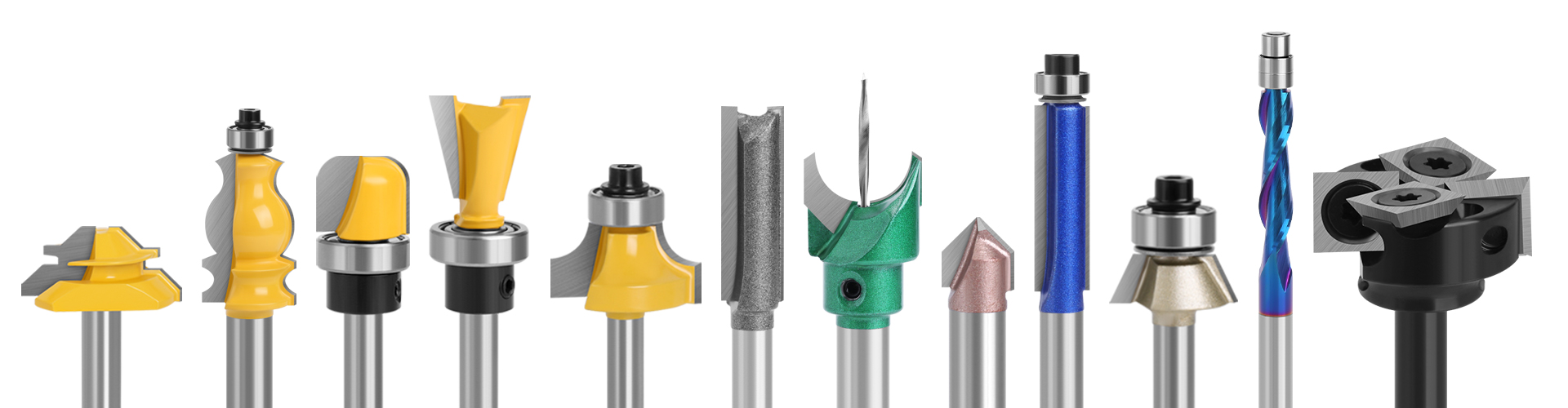
Router bits help woodworkers be more creative and accurate. You can shape, carve, and finish wood easily with the right tools. Many woodworkers pick LAIWEI Tools because they work well.
Survey Result | Reason |
|---|---|
80% of professionals like two-flute bits for smooth finishes on hard woods. | Two-flute bits clear chips better. |
Router bits help you be creative and work with care in woodworking. They let you shape, carve, and finish wood well.
The right router bits make you sand less. You can spend more time building and less time finishing.
Buying good router bits, like ones made from carbide, makes them last longer and cut better. This saves you money over time.
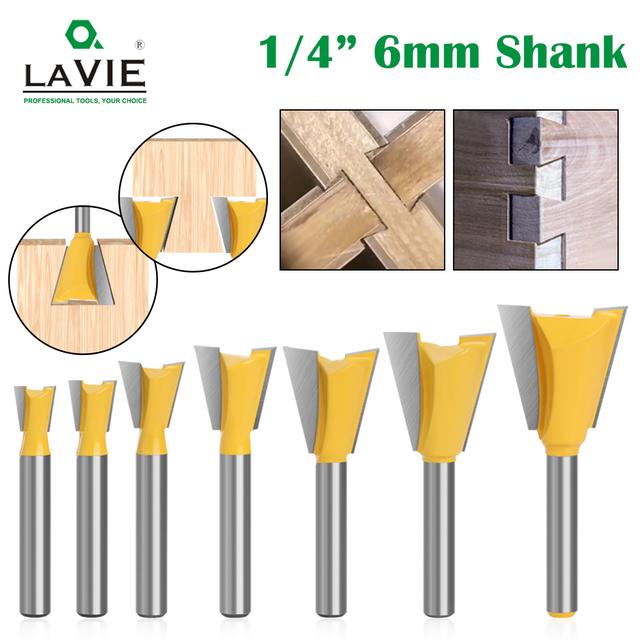
Router bits help you with many woodworking jobs. You can shape, trim, and finish wood in different ways. A chamfer bit makes slanted edges on furniture. A roundover bit smooths sharp corners on tables. If you need grooves or channels, use a rabbet router bit or grooving bits. These make joinery easier.
Tip: Knowing what each bit does helps you use your wood router better. You will feel more confident and in control.
Here is a table that shows how router bits help with many projects:
Router Bit Type | Functionality | Project Types Supported |
|---|---|---|
Chamfer bits | Make slanted edges for a nicer look. | Furniture, framing |
Rabbeting bits | Cut grooves and channels for joining wood. | Many woodworking projects |
Roundover bits | Remove sharp corners for safety and looks. | Tabletops, chair arms, fancy edges |
Cove bits | Make pretty moldings and fancy edges. | Furniture, trim |
Roman ogee bits | Make classic fancy edges for furniture and cabinets. | Small moldings, crown molding |
Straight bits | Do many jobs like cutting grooves and shaping edges. | General woodworking |
Router bits are more useful than most other woodworking tools. They help you go from rough wood to finished pieces faster. Many woodworkers pick good brands because they last longer and work better.
Brand | Benefit |
|---|---|
CMT | Lasts a long time |
Whiteside | Lasts a long time |
Freud | Works well |
Amana | People like the quality |
Carbide grade | Makes bits work better |
Router bits help you make clean and accurate cuts. Spiral bits give smooth edges. Up-cut spirals clear chips fast. Down-cut spirals keep the top edge neat. Compression spirals do both, so they are good for veneered wood. Multi-flute spiral bits cut fast and leave smooth surfaces.
Spiral bits make cuts cleaner and smoother.
Up-cut spirals stop clogging in deep cuts.
Down-cut spirals keep the top edge nice.
Compression spirals are great for veneered wood.
Roundover bits make sharp edges and stay sharp longer.
Good router bits made with micro-grain carbide keep their edge. They give you steady results. You can trust these bits to cut, shape, and make strong joints. Each bit is tested for quality. Some bits have a blue non-stick coating. This helps reduce friction and keeps cuts clean.
Aspect of Workflow | Impact of Router Bits |
|---|---|
Quality of Cuts | Cleaner results |
Material Removal | Faster work |
Precision of Joinery | More accurate |
Tool Longevity | Lasts longer |
Sanding Needs | Less sanding needed |
Using the right router bits means less sanding. You spend more time building. The shape and material of each bit change how your work looks and how fast you finish. CMT router bits are made very carefully. They give smooth and clean cuts. This is important for joinery, fancy edges, and cabinets.
Router bits help you be creative and practical. You can make signs with special designs. You can carve patterns or make raised panel doors. Many woodworkers use joinery bits for strong drawers and cabinets. Dovetail router bits help you make dovetail joints. These joints are strong and look nice.
Make signs with cool effects.
Create cutting boards with neat patterns.
Build raised panel doors for a pro look.
Carve and engrave wooden signs for home or events.
Make special signs that stand out.
Router bits also help with everyday jobs. Straight bits cut grooves, dados, and mortises. Roundover bits make edges smooth and round. Chamfer bits cut slanted edges, often at 45 degrees. Cove bits make curved profiles for molding. Rabbeting bits cut shoulders or recessed edges on boards.
Note: Routers and router bits help you flatten tabletops, carve, and smooth rough edges. They add fancy touches and help with joinery like tongue and groove, raised panels, and dovetails.
A woodworker should have a set of router bits. This helps with daily jobs and special projects. Your wood router and the right bits make your shop better. You get more done and your work looks more professional.
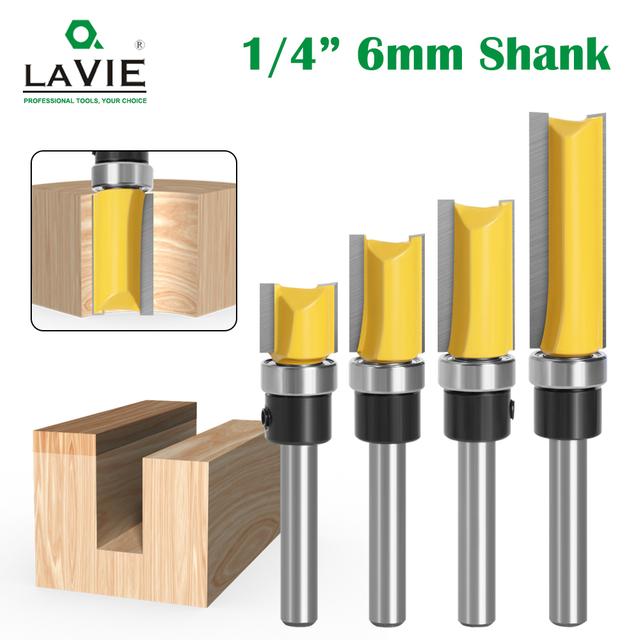
When you look at router bits, you see several important parts. Each part plays a role in how the bit works and how your project turns out. The shank is the part you insert into your router. Most shanks come in either 1/4 inch or 1/2 inch sizes. A 1/2 inch shank gives you more rigidity and less vibration, which helps when you work with dense wood or make deep cuts. A 1/4 inch shank fits lighter routers and works well for smaller jobs.
The cutting edge is where the magic happens. This part slices through wood, shaping it as you guide the router. The design of the cutting edge affects how smooth your cuts look and how quickly you finish your work. Some bits have spiral edges for cleaner cuts, while others have straight edges for general shaping.
Bearings guide the bit along the edge of your material or a template. They help you control the depth and precision of your cuts. For example, a flush trim router bit uses a bearing to follow the edge of a pattern, making sure your work matches the template exactly.
Tip: Always check your router collet for dirt or wear. A clean collet keeps your bit secure and helps you make precise cuts.
Here is a table that shows the main parts of router bits and what they do:
Component | Description | Purpose |
|---|---|---|
Shank | 1/2-inch or 1/4-inch sizes | Fits into the router; larger for heavy-duty, smaller for light tasks |
Body | Steel piece holding blades | Provides weight and torque for cutting |
Finish | Protective coating | Stops material buildup and keeps the bit clean |
Blades | Cutting edges | Slice and shape the wood |
Bearing | Rotating guide | Controls depth and follows templates |
Router bit materials matter a lot. High-speed steel (HSS) and carbide are the most common choices. HSS resists heat and works well for general use. Carbide is harder and keeps its edge much longer. Professional woodworkers often pick carbide bits because they last up to 90% longer than HSS bits and give cleaner cuts.
Laiwei Tools uses industrial-grade micro grain carbide and solid hardened steel for their router bits. This means you get bits that stay sharp and resist wear, even after many uses. The build quality also affects how much vibration you feel and how smooth your cuts look. Premium router bits reduce chatter and help you work faster.
Material | Advantages |
|---|---|
High-Speed Steel | High heat resistance, keeps strength longer, good for general use |
Carbide | Harder, holds edge longer, lasts 80-90% longer, cleaner cuts, higher quality |
Carbide bits are best for heavy or frequent use. HSS bits work well for lighter jobs. Thicker cutters let you re-grind the bit many times, so you get more life out of each tool.
Note: Investing in high-quality router bits saves you money over time. You replace them less often and get better results with every project.
Picking the right router bit for your project makes a big difference. You need to think about the material you are cutting, the type of cut you want, and the finish you expect. For example, grooving bits help you make channels for joinery. Dovetail router bits create strong joints for drawers and cabinets. Rabbeting router bits cut shoulders or recessed edges, which are useful for frames and boxes.
Look at the flute count, bit material, and any coatings. More flutes mean a smoother finish but slower chip removal. Carbide bits work best for hard materials, while HSS bits suit softer woods. Coatings like titanium nitride (TiN) or diamond-like carbon (DLC) help reduce heat and friction, making your bits last longer.
Criteria | Description |
|---|---|
Flute Count | More flutes = better finish, fewer flutes = faster chip removal |
Material Type | Carbide for hard woods, HSS for soft woods |
Coating | Reduces heat and friction, extends tool life |
Understanding router bit anatomy helps you choose the most effective bit for each task. If you want to trim laminate, use a flush trim router bit. For making joints, pick joinery bits like dovetail or rabbet router bit. When you know what each part does, you avoid mistakes and get better results.
Alert: Always wear safety gear and read the instructions for each router bit. This keeps you safe and helps your tools last longer.
A woodworker should have a set of router bits for different jobs. This lets you handle shaping, trimming, and joinery with ease. When you match the bit to your power tool and material, you get the best performance and finish.
Router bits give you the power to shape wood with creativity and precision. A woodworker should have a variety of bits for every project. To keep your collection strong, follow these steps:
Inspect bits for wear.
Measure dimensions.
Maintain a cleaning schedule.
Monitor tool condition.


