
Views: 0 Author: Site Editor Publish Time: 2025-10-17 Origin: Site


dull router cutters make clean work impossible: they burn edges, tear grain, and slow every pass. Whether you're a weekend DIYer or a pro on deadline, knowing how and when to touch up a cutter saves time and money. This guide from LAIWE Tools explains practical, safe sharpening methods — from quick diamond-hone touch-ups to when to send bits for a professional regrind — and shows how choosing router bits that hold an edge longer (our carbide range) reduces sharpening frequency.
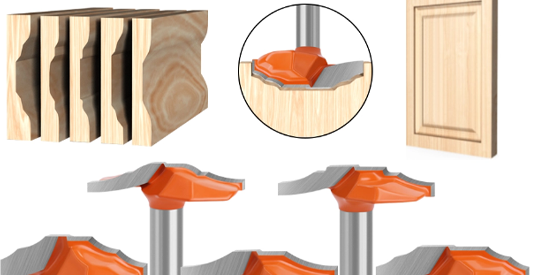
Sharpening starts with good judgment. A sharp bit looks and performs predictably; a dull one shows clear visual and performance signs. Check bits before each major job and whenever cuts look off.
Burn marks: darkened or scorched edges on the cut surface or the bit itself signal friction from a dulled cutting edge.
Chipped or nicked edges: small missing pieces on the carbide tips indicate impact damage or material fatigue.
Rounded flats and shiny bevels: the original sharp bevel should be crisp; a rounded profile or additional polished areas means metal has been worn away.
Short example: a straight bit used to trim plywood that leaves a shiny, melted-looking edge on veneer has likely lost its micro-edge and needs attention — even if it still cuts without obvious vibration.
Increased tear-out: fibers pull rather than shear cleanly, especially on cross-grain cuts.
Slower feed rates required: you’re pushing the router slower to avoid burning or poor finish.
Smoke or smell: visible smoke or plywood resin burning indicates excessive friction.
Vibration or chatter: imbalance from material loss at the cutter face changes the dynamic balance.
A quick shop test: run a short test cut in scrap wood at normal feed speed. If finish quality drops noticeably, plan to sharpen.
Not every dull bit needs a full regrind. For minor bluntness or tiny nicks, a touch-up can restore acceptable cutting performance and speed.
Diamond hones are the most common DIY tool for carbide bits. Use a fine grit (600–1200) diamond hone paddle for carbide touch-ups.
Technique:
Clean the cutter to remove resin.
Secure the bit in a vise by the shank (protect with soft jaws) or use a router collet in a drill press chuck set at low speed — do not run powered while honing.
Match the hone to the bit’s primary bevel (maintain original angles).
Light, controlled strokes across the flat face: count strokes (10–20 per face) and keep pressure minimal. Keep stroke direction consistent — from heel to tip along the bevel.
Inspect under magnification after every few passes.
Tips: Only hone the flat faces of straight, chamfer, or flush-trim bits. Avoid over-honing — carbide removes slowly but every pass alters geometry.
Ceramic sharpening stones or small diamond files are ideal for small HSS (high-speed steel) bits or tiny nick removal on carbide tips.
How to use:
For HSS bits: use a fine oil stone or ceramic stone, maintain the factory angle, and polish the cutting edge with light strokes.
For carbide: use a diamond-coated file, small controlled strokes, and frequent inspection.
A Dremel or rotary tool with a diamond grinding wheel can accelerate touch-ups but carries more risk.
Pros:
Fast material removal for obvious chips.
Portable and inexpensive setup.
Risks and mitigation:
Overheating carbide or HSS — use very light pressure and intermittent grinding to avoid heat buildup.
Angle loss and uneven grinding — secure the bit and use guides to keep the original geometry.
Rebalance issues — ground bits may need testing and rebalancing.
Best practice: use the Dremel only for small, controlled repairs; follow up with a diamond hone for a polished cutting edge.
Not every damaged bit is worth DIY repair. Decide based on bit type, cost, and damage extent.
Carbide-tipped bits: sharpening carbide often requires diamond tooling. For high-quality, expensive carbide bits, professional regrind is usually cost-effective. For cheap disposable carbide, replacement can be cheaper.
HSS bits: HSS is easier and cheaper to sharpen at home. Professional sharpening is worthwhile if you have complex profiles or a large inventory.
If the bit’s flute shape is misshapen, the core diameter is reduced, or a protective coating is ground off unevenly, performance degrades significantly. These are signs for a professional service or replacement.
Look for shops that advertise diamond regrind for carbide and check reviews for consistency and turnaround.
Ask whether they maintain original geometry and can recoat if necessary.
Request before/after sample photos and balanced test cuts. LAIWE Tools recommends professional sharpening for complex profiles and heavily damaged cutters.
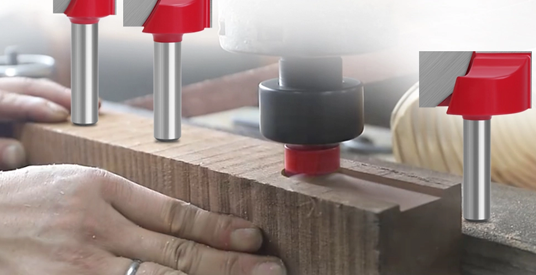
Sharpening safely and effectively follows a repeatable workflow. Use this checklist before any work.
Remove pitch and resin with a dedicated cleaner or a solution designed for cutting tools. Clean edges reveal true damage. Never grind over gunk.
Mount by shank in a vise with soft jaws or in a collet. Do not spin the bit under power while hand-honing.
Use minimal strokes and allow cooling — carbide and HSS can be damaged by overheating. For powered grinding, dip in cooling fluid or grind intermittently.
Inspect with magnification after every set of passes. Compare to an unused bit to ensure angles remain correct.
After significant material removal, check for imbalance by spinning the bit at low speed in the router (with protective guard) to feel vibration. For high-speed routers, consider professional dynamic balancing.
Make test cuts in scrap wood at the same feed and speed you plan to use; inspect finish and listen for smooth cutting.
Sharpening frequency drops dramatically with good habits and the right bits. LAIWE Tools designs cutters to resist wear, but user technique matters.
Run router speeds appropriate to cutter diameter; larger bits = lower RPM.
Remove material in multiple shallow passes rather than a single deep cut — this reduces heat and edge wear.
Maintain steady feed rate; too slow generates heat, too fast overloads the cutter.
Hardwood: use sharp carbide and light passes; avoid excessive dwell runs on edges.
Laminate and MDF: these abrasives wear edges faster — consider sacrificial guides and more frequent touch-ups. Use carbide specifically rated for abrasive surfaces.
Aluminum: only certain carbide profiles and coatings are suitable; use coolant or light spray and specialized bits.
For lower-maintenance performance, choose LAIWE Tools’ carbide router bits engineered for high concentricity, smooth chip evacuation, and long-lasting edges. Keep these accessories on hand:
Diamond hone paddles (fine grit) for touch-ups.
Small diamond files for edge polishing.
Resin/pitch cleaner for bit prep.
Replacement carbide cutters for disposable or heavily worn bits.
Always wear safety glasses and gloves when handling and grinding bits.
Work in a ventilated area and use a mask when grinding or cleaning resins.
Keep fingers away from sharp cutting edges and secure bits properly.
Inspect bits after every large job and schedule a quick hone rather than waiting for failure.
Rotate a few identical bits through jobs so wear is distributed.
Label and store bits in foam or racks to protect edges during storage and transport.
Dull bits hurt both finish quality and productivity — learn to spot visual and performance signs early and keep a small sharpening kit on hand for quick touch-ups. For complex damage or repeat precision work, professional regrinds are worth the investment. Choosing our carbide router bits and pairing them with routine maintenance cuts down on downtime and sharpening frequency. LAIWE Tools manufactures a full line of router bits and sharpening accessories to keep your shop cutting cleanly — contact us to browse our selection and get the right bits and tools for your projects. Contact us for product details and ordering.


