
Views: 0 Author: Site Editor Publish Time: 2025-12-15 Origin: Site


CNC routers are versatile tools, but cutting metal requires precision. Choosing the right CNC router bits for metal is crucial for clean, accurate cuts. Without the proper bit, your machine might underperform and wear out faster.
In this article, we’ll dive into the types of CNC router bits for metal and the factors that affect your selection. You’ll learn how to choose the right bit for optimal performance and tool longevity.
CNC router bits are tools that fit into the spindle of a CNC machine, rotating at high speeds to cut, shape, or engrave materials. While these bits work well on a variety of materials, metal requires specialized bits due to its hardness and heat generation during cutting.
Using standard bits for metal can lead to dull edges, poor cuts, and damaged tools. Metal-specific bits are designed to manage heat buildup and provide smooth, precise cuts, which are essential for achieving the desired finish on metalwork projects.
Metals such as aluminum, steel, and titanium are tough materials that generate significant heat when cut. Standard bits can’t handle the heat or the wear generated by cutting metal. CNC router bits for metal are typically made from stronger materials like carbide or HSS (High-Speed Steel), which can resist the wear and heat that metals generate during the cutting process. The right metal-specific bit helps maintain a consistent cutting edge, prolongs tool life, and improves overall cutting efficiency.
Material | Bit Type | Benefit |
Aluminum | Carbide or HSS | Heat resistance |
Steel | Carbide | Durability & precision |
Titanium | Carbide or PCD | Extreme hardness |
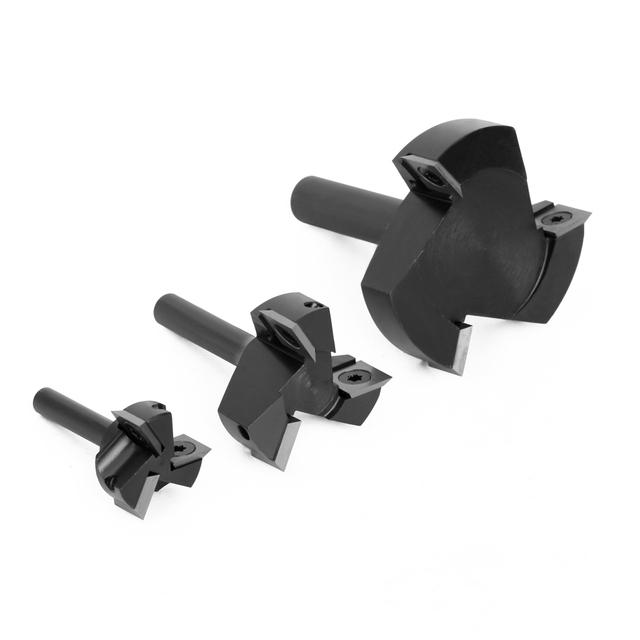
Carbide bits are the most common choice for cutting metal due to their hardness and heat resistance. Solid carbide bits are entirely made of tungsten carbide, making them extremely durable and able to maintain their sharpness under high-speed, high-temperature cutting conditions. Carbide-tipped bits, which have a steel core with carbide welding at the cutting edge, are a more affordable alternative but still provide excellent performance for softer metals.
While carbide bits are ideal for most metal cutting tasks, they may be overkill for softer metals like aluminum, where less expensive HSS bits may suffice.
HSS router bits are commonly used for cutting softer metals, like aluminum and brass. Though HSS bits are more affordable than carbide bits, they have lower heat resistance and wear out faster when used on tougher materials. HSS bits are best suited for light-duty cutting or when precision is not the top priority.
Compared to carbide, HSS bits can be more economical for softer applications, but they require more frequent replacements in high-demand environments.
For cutting extremely hard materials like carbon fiber and certain metal alloys, PCD bits are the go-to choice. These bits are made with diamond particles bonded to a carbide base, making them the hardest and most durable option available. PCD bits provide exceptional performance when working with abrasive materials and can last much longer than carbide or HSS bits in these challenging applications.
Coated bits, such as those with Titanium Nitride (TiN) or Zirconium Nitride (ZrN) coatings, offer additional protection against heat and wear. These coatings reduce friction, enhance tool life, and improve cutting precision, making them a great choice for metalworking. Coated bits can handle higher cutting speeds and temperatures, making them more suitable for high-performance tasks.
Bit Type | Best For | Key Advantage |
Carbide | Most metals | Durability & heat resistance |
HSS | Soft metals | Economical & versatile |
PCD | Hard materials | Extreme durability |
Coated | All metals | Heat & wear protection |
Flute design plays a significant role in the efficiency of CNC router bits. Flutes are grooves that allow chips to be removed from the cutting area, and the design of these flutes can greatly influence how well the bit performs. Spiral flutes are commonly used for metal because they help evacuate chips quickly, reducing the chances of clogging and minimizing heat buildup.
Flutes with a higher helix angle are effective at clearing chips, while straight flutes tend to remove chips less effectively but are better for certain cutting tasks, such as engraving.
The cutting edge geometry—the angle at which the edge is ground—determines how aggressively a bit cuts through metal. For clean cuts, sharp cutting edges are essential. However, sharper angles can lead to faster wear. For longer tool life, a more durable but slower cutting edge is often preferred, especially when dealing with harder metals.
Choosing between up-cut and down-cut bits is also critical. Up-cut bits pull the chips up and away from the material, which works well for efficient chip removal. Down-cut bits, on the other hand, push the chips down into the material, offering cleaner upper surfaces.
The size of the bit’s diameter determines how wide the cut will be, while its length affects the depth. A larger diameter bit can cut wider areas but generates more heat, which could be detrimental when working with metals. Longer bits allow deeper cuts but may flex during the process, potentially compromising the precision.
The right bit diameter and length depend on the material's thickness and the desired cut depth, so it's essential to choose carefully to avoid tool deflection or excessive wear.
For non-ferrous metals like aluminum, solid carbide or carbide-tipped bits are ideal due to their durability and heat resistance. These metals tend to clog bits more quickly due to the softer, more malleable material. A high helix angle bit improves chip removal, ensuring smoother cuts and reducing the risk of clogging. Carbide-tipped bits are a cost-effective solution for regular use on aluminum and similar metals.
When cutting stainless steel or harder alloys, solid carbide bits are the best choice. These metals are much more heat-resistant and require a bit that can withstand higher temperatures. It’s also important to adjust feed rates and spindle speeds to avoid overheating. Use slow feed rates to ensure that the bit can handle the heat generated during the cutting process.
Titanium and other exotic metals, such as high-strength alloys, require specialized CNC router bits. Bits coated with Titanium Aluminum Nitride (TiAlN) are particularly well-suited for these materials, as they can resist the intense heat generated during cutting. For these metals, it’s also essential to slow down the feed rate to prevent the bit from becoming too hot.
Metal Type | Recommended Bit Type | Key Consideration |
Aluminum | Carbide or Carbide-Tipped | High helix angle for chip removal |
Stainless Steel | Solid Carbide | Slow feed rates to manage heat |
Titanium & Exotic Metals | TiAlN Coated Carbide | Slow feed rate for heat control |
Properly balancing feed rates and spindle speeds is crucial to preventing overheating and prolonging bit life. Too high a speed or too slow a feed rate can cause excessive friction, leading to premature tool wear and poor cuts. Always adjust these parameters according to the material you’re cutting to ensure optimal cutting conditions.
Chip load refers to the amount of material the bit removes per revolution. An optimal chip load ensures that the bit works efficiently, avoiding heat buildup. Too much chip load can cause excessive wear, while too little can result in inefficient cuts. Adjusting chip load to match the material being cut helps prevent damage and extends bit life.
Cutting metal generates heat, which can damage the bit and affect the quality of the cut. Using coolant or lubrication reduces heat and friction, making it an essential part of the metal cutting process. Whether using water-based solutions or oils, the right coolant keeps the bit cooler, improves cutting performance, and reduces wear.
Cleaning your bits after each use helps maintain their sharpness. Removing metal shavings or resin prevents buildup that could interfere with the cutting process. Store bits in a dry, cool place to prevent rusting and damage, ensuring they remain in optimal condition for future use.
CNC router bits, especially those made of carbide, can be sharpened to restore their cutting ability. Regular sharpening ensures that bits maintain their precision and efficiency. Always use professional sharpening services to ensure the proper geometry and balance are maintained.
Inspect your router bits for signs of wear, such as dull edges, chips, or cracks. Regular inspections help prevent issues before they affect the quality of the cuts. If you notice that the bit isn't performing as well, it may be time for maintenance or replacement.
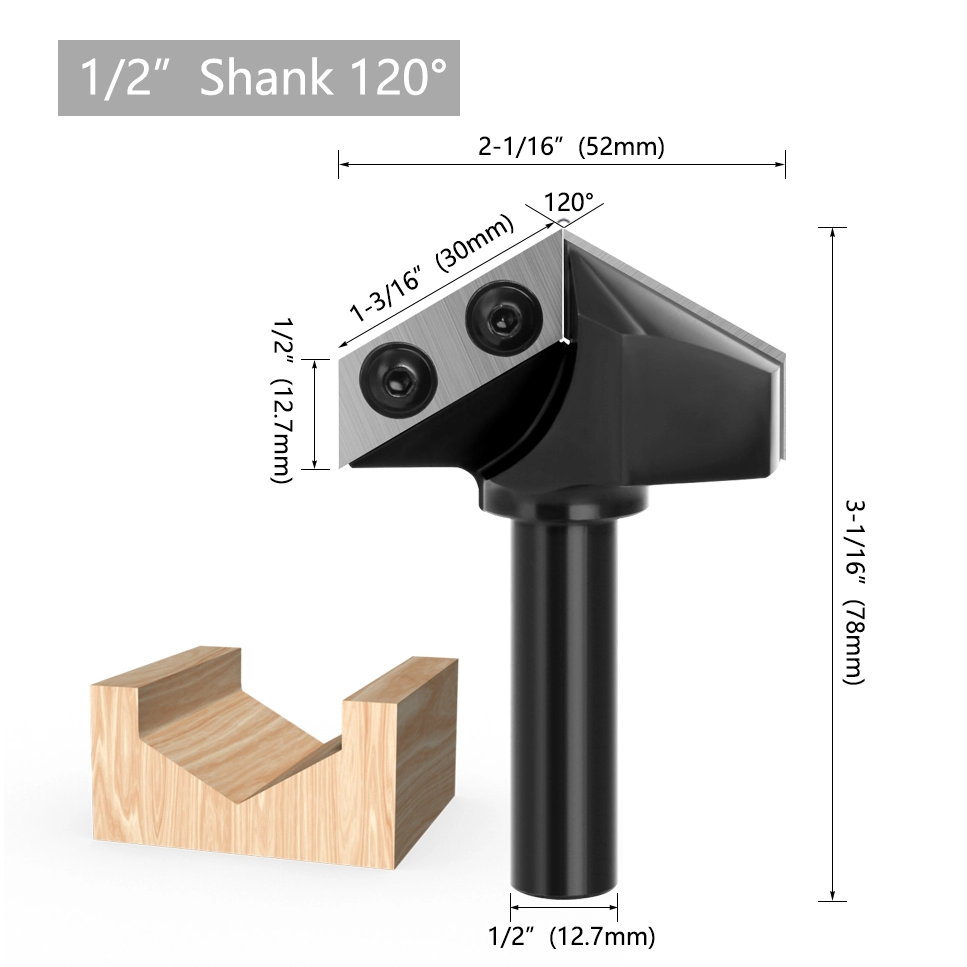
Using a general-purpose bit for metal cutting can result in poor cuts, tool wear, or damage. Always select the appropriate bit designed specifically for the metal you're working with to ensure the best results and tool longevity.
Incorrect speed or feed settings can lead to overheating or bit breakage. Ensure that your CNC router is set to the appropriate speeds based on the material being cut to maintain efficiency and avoid unnecessary wear.
Using coolant is critical to maintaining tool life and ensuring smooth cuts. Without it, the bit may overheat, causing damage and reducing the quality of the cut.
Choosing the right CNC router bit for metal is crucial for clean, precise cuts and long-lasting tools. By selecting the proper bit material, type, and cutting settings, you can improve both performance and efficiency. Regular maintenance will further extend tool life, keeping your CNC machine in top shape. At YUEQING LAIWEI TOOLS CO., LTD., their high-quality CNC router bits are designed to meet these needs, offering durability and reliability for optimal results in your metalworking projects.
A: CNC router bits for metal are specialized cutting tools designed to handle the hardness and heat of metal materials, ensuring precise and efficient cuts.
A: Select CNC router bits based on the metal type, such as carbide bits for hard metals or HSS bits for softer metals. Ensure the bit is suited for the job's required precision.
A: Using the right CNC router bits for metal ensures clean cuts, reduces wear on the tool, and extends its lifespan, providing better performance over time.
A: No, CNC router bits are designed specifically for either wood or metal. Using a wood bit for metal can lead to poor results and damage to the tool.
A: The cost of CNC router bits for metal varies depending on the material, coating, and brand. Carbide bits are typically more expensive than HSS, but offer greater durability.
A: Regular cleaning, sharpening, and proper storage of CNC router bits can prolong their life. Avoid overheating and ensure the bit is always in good condition for accurate cuts.


