
Views: 0 Author: Site Editor Publish Time: 2025-10-22 Origin: Site


In the world of CNC machining, the choice of cutting tools is critical to project success. CNC bits are the heart of any CNC operation, and selecting the right type can make the difference between a smooth, precise finish and costly rework. Whether you are working on wood, plastics, composites, or metals, understanding the various types of CNC bits, their applications, and their design features is essential. This guide will help you navigate the options and choose the best CNC bits for your projects to optimize efficiency, precision, and tool longevity.
End Mills
End mills are among the most commonly used CNC bits due to their exceptional versatility. These cutters feature sharp cutting edges on both their ends and sides, enabling them to perform a wide array of machining tasks such as profiling, slotting, and plunge cutting. There are several types of end mills, each suited for specific purposes:
Flat-End Mills: These have a flat cutting surface on the end, making them ideal for producing precise, square edges and flat-bottom pockets. They are widely used in applications where sharp, clean edges are required.
Ball Nose Mills: With a rounded tip, ball nose mills are specially designed for 3D contouring and sculpting. Their shape allows for smooth, flowing curves and gradual surface transitions, which minimizes visible stepping or layering in the finished product. This makes them indispensable in artistic woodworking, mold making, and any application requiring complex surface shapes.
Bull Nose Mills: Combining characteristics of flat-end and ball nose mills, bull nose mills create rounded edges with a flat bottom, providing a balance between sharpness and smoothness, useful in applications like furniture edges and cabinetry.
Ball Nose Bits
Ball nose bits are specialized tools primarily used for smooth 3D surface carving. Their rounded tips enable gradual transitions between surfaces, eliminating harsh edges and producing a polished, high-quality finish. These bits are highly favored in industries such as furniture manufacturing, mold production, and artistic woodwork, where intricate surface details and fluid contours are essential.
V-Bits
V-bits are designed with angled cutting edges that make them perfect for engraving, chamfering, and decorative detailing. They excel at carving sharp grooves, lettering, logos, and intricate designs into materials like wood and acrylic. The sharp angle of the V-bit allows for precise and clean cuts, even in complex patterns, making it a top choice for signage and fine decorative work.
Engraving Bits
Engraving bits are crafted for ultra-fine detailing work. Typically made from solid carbide, these bits have extremely sharp tips that maintain precision over extended periods of use. Their design allows for the creation of intricate patterns, detailed signage, and textured finishes on various materials. Whether used for industrial applications or artisan projects, engraving bits deliver unmatched accuracy and durability for the most delicate carving tasks.
For woodworking, single-flute spiral bits and compression bits are preferred to achieve clean edges and efficient chip removal. These bits minimize tear-out and scorching, resulting in smooth finishes ideal for cabinetry, furniture, and musical instruments.
Materials like acrylic require bits that reduce heat buildup to prevent melting or cracking. Single-flute or O-flute bits are common here as they provide smooth cuts with minimal friction. Additionally, coatings can extend bit life by improving heat dissipation.
Cutting metals like aluminum demands bits made of solid carbide with multiple flutes to maintain sharpness and ensure fine finishes. Coatings such as Titanium Nitride (TiN) or Diamond-Like Carbon (DLC) increase durability by reducing wear and friction under high speeds and pressures.
Single-Flute Bits
Single-flute bits are designed for soft materials such as plastic, softwood, and foam. Their single cutting edge enables aggressive material removal and faster feed rates, making them ideal for roughing operations. The wide flute design ensures excellent chip evacuation, reducing the risk of clogging and improving cutting efficiency. However, due to the reduced contact with the material, they generally produce rougher surface finishes.
Double-Flute Bits
Double-flute bits strike a good balance between chip clearance and surface finish. Suitable for hardwoods, MDF, and plastics, these bits are commonly used for slotting, edge profiling, and moderate finishing tasks. The two cutting edges increase stability and allow for smoother cuts compared to single-flute bits while still maintaining decent chip removal.
Multiple-Flute Bits
Bits with three or more flutes are best for hard materials like aluminum and non-ferrous metals. They provide superior surface finishes and support higher cutting precision. However, multiple flutes create narrower channels for chip evacuation, so proper cooling and chip management are essential to prevent overheating and tool wear.
Selecting the right CNC bit requires careful consideration of factors like cutting depth, finish quality, and feed rate to achieve optimal results.
Cutting Depth: For deep cuts, bits with fewer flutes or special chipbreaker designs are preferred. These features help clear material efficiently, preventing clogging and overheating during prolonged cutting.
Finish Quality: When a smooth, high-quality surface finish is needed—especially for visible areas—multi-flute spiral bits or ball nose bits are the ideal choice. Their design allows for fine, clean cuts and superior contouring.
Feed Rate and Speed: Harder materials and faster machining speeds demand coated, wear-resistant bits. These coatings reduce heat buildup and vibration, extending tool life and maintaining cutting precision.
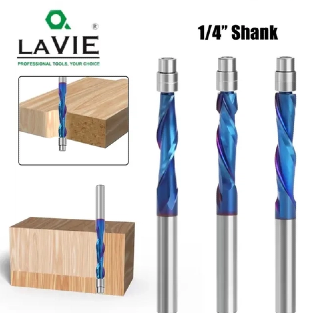
One standout product line for CNC machining is LAIWEI’s Solid Carbide Spiral CNC Bits. These bits offer several advantages:
All-solid carbide construction providing unmatched hardness, wear resistance, and heat tolerance, ideal for long machining cycles.
Spiral flute design optimized for efficient chip evacuation and vibration reduction, leading to smoother cuts and better surface finishes.
Multiple flute configurations available — single, double, and multi-flute bits to suit different materials and cutting strategies.
Precision-ground cutting edges tailored to specific materials, ensuring clean cuts with minimal tear-out and extended tool life.
Coatings such as Teflon or proprietary nano-coatings enhance heat resistance and durability, especially when working with abrasive or tough materials.
These bits are engineered for demanding woodworking, plastics, composites, and non-ferrous metal applications, making them an excellent choice for both hobbyists and professional CNC operators seeking consistent, high-quality results.
Choosing the right CNC bits is crucial for the success and efficiency of your machining projects. By understanding the variations in bit types, flute counts, coatings, and their compatibility with different materials, you can significantly improve cutting precision, reduce tool wear, and optimize production costs. Premium solid carbide spiral bits, like those offered by YUEQING LAIWEI TOOLS CO., LTD, are engineered for durability, accuracy, and versatility—making them the trusted choice for professionals and hobbyists alike.
Whether you’re working with wood, plastics, composites, or metals, investing in high-quality CNC bits tailored to your specific needs will result in smoother finishes, faster machining speeds, and longer tool life. This not only enhances your productivity but also ensures consistent, top-quality results every time.
To explore a wide range of advanced CNC cutting tools designed to meet the highest industry standards, consider partnering with YUEQING LAIWEI TOOLS CO., LTD. Their expertise and innovative solutions can help you elevate your machining capabilities and achieve greater success. Reach out to them today to discover how their CNC bits can transform your workflow and deliver exceptional value.


