
Views: 0 Author: Site Editor Publish Time: 2025-11-01 Origin: Site


In the realm of woodworking, the precision and efficiency of a CNC router are largely determined by the quality and type of bits used. Understanding the nuances of CNC Router Bits is crucial for achieving optimal results in various materials, including wood, plastic, and aluminum. This article delves into the top five essential CNC router bits for wood, offering insights into their applications, advantages, and the science behind their design. For those seeking to enhance their woodworking projects, selecting the right bit is as vital as mastering the CNC machine itself.
CNC router bits are the cutting tools used by CNC routers to carve, cut, and shape materials. They come in various shapes, sizes, and materials, each designed for specific tasks and materials. The choice of bit can significantly affect the quality of the cut, the speed of the process, and the longevity of the tool. The right bit ensures smooth edges, precise cuts, and minimal wear on the machine. The most common materials for these bits include high-speed steel (HSS), carbide, and diamond, each offering different levels of durability and cutting efficiency.
There are several types of CNC router bits, each serving a unique purpose. The most common types include end mills, ball nose bits, V-bits, and surfacing bits. End mills are versatile and can be used for cutting, slotting, and engraving. Ball nose bits are ideal for 3D contouring and carving. V-bits are perfect for engraving and creating sharp, detailed lines. Surfacing bits are used to level large surfaces and remove material quickly. Understanding the specific applications of each type is crucial for selecting the right bit for your project.
The material of the CNC router bit is a critical factor in its performance and durability. High-speed steel (HSS) bits are affordable and suitable for soft materials like wood and plastic. However, they wear out quickly when used on harder materials. Carbide bits, particularly solid carbide spiral CNC router bits, are more durable and can handle tougher materials, including hardwoods and aluminum. They maintain a sharp edge longer than HSS bits, providing cleaner cuts and longer tool life. Diamond-tipped bits are the most durable and are used for cutting abrasive materials like composites and glass.
Choosing the right CNC router bit for wood can make a significant difference in the quality and efficiency of your woodworking projects. Here are the top five essential CNC router bits for wood:
Straight flute bits are the most basic type of CNC router bit and are ideal for cutting and slotting in softwoods and hardwoods. They have a straight cutting edge that provides a clean, smooth finish. These bits are easy to sharpen and maintain, making them a cost-effective choice for beginners and professionals alike. They are particularly useful for projects that require precise, straight cuts.
Spiral flute bits, including solid carbide spiral CNC router bits, are designed for high-speed cutting and are ideal for hardwoods and plywood. The spiral design helps to clear chips quickly, reducing heat buildup and providing a cleaner cut. These bits are available in up-cut, down-cut, and compression styles, each offering different advantages depending on the material and desired finish. Up-cut bits are great for deep cuts, while down-cut bits provide a clean top surface. Compression bits combine both up-cut and down-cut flutes, making them perfect for laminated materials.
V-groove bits are used for engraving and creating decorative edges and grooves. They are perfect for sign-making and decorative projects where precision and detail are essential. The V-shaped design allows for sharp, clean lines and intricate patterns. These bits are available in various angles, allowing for a wide range of design possibilities.
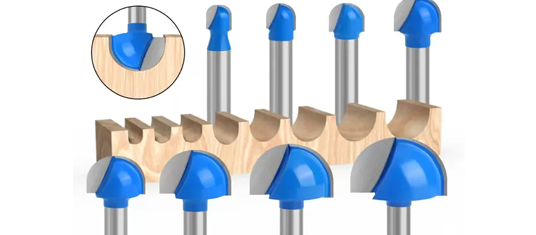
Ball nose bits are ideal for 3D carving and contouring. They have a rounded tip that allows for smooth, curved cuts, making them perfect for creating complex shapes and detailed designs. These bits are commonly used in sculpture and intricate woodworking projects where precision and smoothness are paramount.
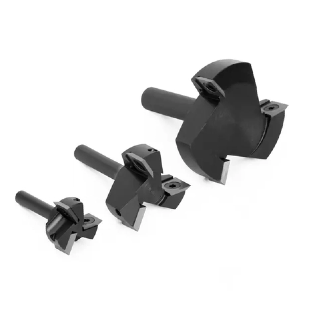
Surfacing bits, also known as spoilboard bits, are used to level large surfaces and remove material quickly. They are essential for preparing workpieces and ensuring a flat, even surface. Insert-style spoilboard CNC router bits are particularly popular due to their replaceable inserts, which provide cost savings and extended tool life. These bits are perfect for preparing large panels and ensuring a smooth, even surface for further processing.
Selecting a reliable CNC Router Bits manufacturer is crucial for ensuring the quality and performance of your tools. A reputable manufacturer will offer a wide range of bits, each designed for specific applications and materials. They will also provide detailed specifications and guidance on selecting the right bit for your project. Quality manufacturers use high-grade materials and advanced manufacturing techniques to produce durable, efficient bits that deliver superior performance.
CNC router bits are used in a wide range of applications, from woodworking and cabinetry to sign-making and engraving. They are essential for creating precise cuts, intricate designs, and smooth finishes. In woodworking, CNC router bits are used for cutting, shaping, and carving wood into various forms and designs. In sign-making, they are used to engrave letters and patterns into wood, plastic, and metal. In cabinetry, they are used to create precise joints and decorative edges. The versatility and precision of CNC router bits make them indispensable tools in many industries.
In conclusion, selecting the right CNC router bit is essential for achieving optimal results in woodworking and other applications. The top five essential CNC router bits for wood offer a range of capabilities, from precise cutting and engraving to 3D carving and surfacing. Understanding the specific applications and advantages of each type of bit is crucial for selecting the right tool for your project. Additionally, choosing a reliable CNC router bits manufacturer ensures the quality and performance of your tools, leading to superior results and extended tool life.
1. What are the most common materials used in CNC router bits?
High-speed steel (HSS), carbide, and diamond are the most common materials used in CNC router bits. Each offers different levels of durability and cutting efficiency.
2. How do I choose the right CNC router bit for my project?
Consider the material you are working with, the type of cut you need, and the desired finish. Selecting the right bit ensures optimal performance and results.
3. What is the advantage of using solid carbide spiral CNC router bits?
Solid carbide spiral CNC router bits are more durable and maintain a sharp edge longer, providing cleaner cuts and longer tool life, especially in tougher materials.
4. Can CNC router bits be used for materials other than wood?
Yes, CNC router bits can be used for cutting and shaping various materials, including plastic, aluminum, and composites.
5. What is the purpose of insert-style spoilboard CNC router bits?
Insert-style spoilboard CNC router bits are used for leveling large surfaces and removing material quickly. They feature replaceable inserts for cost savings and extended tool life.
6. Why is it important to choose a reliable CNC router bits manufacturer?
A reliable manufacturer ensures the quality and performance of your tools, offering a wide range of bits designed for specific applications and materials.
7. What are the benefits of using V-groove bits?
V-groove bits are ideal for engraving and creating decorative edges and grooves, offering precision and detail for sign-making and decorative projects.


