
Views: 0 Author: Site Editor Publish Time: 2025-11-06 Origin: Site


In the world of CNC machining, the precision and quality of the final product largely depend on the tools used. Among these tools, CNC Router Bits stand out as essential components that determine the efficiency and accuracy of the machining process. Whether you are working with wood, plastic, or aluminum, choosing the right CNC Router Bits is crucial. This article delves into the safe and correct installation of CNC Router Bits, providing insights into various types, their applications, and best practices for installation. For more information on different types of bits, you can explore Essential CNC Router Bits.
CNC Router Bits are cutting tools used in CNC machines to carve, cut, and shape various materials. They come in different shapes, sizes, and materials, each designed for specific applications. The choice of a CNC Router Bit depends on the material being machined and the desired finish. For instance, Solid Carbide Spiral CNC Router Bits are ideal for wood and plastic due to their sharpness and durability. On the other hand, TCT CNC Router Bits are preferred for their toughness and ability to handle harder materials.
There are several types of CNC Router Bits, each serving a unique purpose. Some of the most common types include:
Solid Carbide Spiral CNC Router Bits: Known for their precision and ability to produce clean cuts, these bits are ideal for wood and plastic.
Insert-Style Spoilboard CNC Router Bits: These are used for surfacing and leveling spoilboards. They offer a long lifespan due to their replaceable inserts.
TCT CNC Router Bits: Tungsten Carbide Tipped bits are robust and can handle tougher materials like aluminum.
Specialty Bits: These include V-bits, ball nose bits, and engraving bits, each designed for specific tasks like engraving or creating detailed profiles.
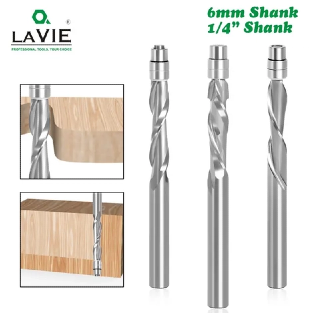
Selecting the appropriate CNC Router Bits involves considering the material, the type of cut, and the desired finish. For wood, bits like the Solid Carbide Spiral are preferred for their sharpness and ability to produce smooth edges. For plastics, bits with a single flute are recommended to prevent melting. When working with metals like aluminum, TCT CNC Router Bits are suitable due to their strength and heat resistance. It's also important to consider the bit's diameter and flute length, as these factors influence the cut's precision and depth.
Proper installation of CNC Router Bits is crucial for ensuring safety and achieving the desired machining results. The process begins with selecting the correct collet size for the bit. The collet should match the bit's shank diameter to ensure a secure fit. Once the collet is in place, the bit is inserted, and the collet nut is tightened using a wrench. It's important to avoid over-tightening, as this can damage the bit or the collet. Regular inspection of the collet and bit for wear and tear is recommended to maintain optimal performance.
Safety is paramount when working with CNC machines. Always wear appropriate personal protective equipment, such as safety glasses and hearing protection. Ensure the machine is powered off before changing bits to prevent accidental activation. Additionally, keep the work area clean and free of debris to avoid interference with the machining process. Regular maintenance of the CNC machine and its components, including the router bits, is essential for safe and efficient operation.
Several common mistakes can occur during the installation and use of CNC Router Bits. One frequent error is using the wrong bit for the material, which can lead to poor quality cuts or damage to the bit. Another mistake is improper installation, such as not securing the bit tightly enough, leading to vibrations and inaccurate cuts. To avoid these issues, always double-check the bit's compatibility with the material and ensure it is installed correctly. Regular training and staying updated with the latest techniques can also help prevent these mistakes.

The correct installation and use of CNC Router Bits are vital for achieving high-quality machining results. By understanding the different types of bits and their applications, you can select the right tool for the job. Following proper installation procedures and safety precautions ensures both the longevity of the bits and the safety of the operator. For those looking to expand their knowledge on CNC Router Bits, visiting a CNC Router Bits manufacturer can provide valuable insights and resources.
1. What are the best CNC Router Bits for wood?
Solid Carbide Spiral CNC Router Bits are highly recommended for wood due to their precision and ability to produce clean cuts.
2. How do I choose the right CNC Router Bit for plastic?
For plastic, bits with a single flute are ideal as they help prevent melting and ensure a smooth finish.
3. Can TCT CNC Router Bits be used for aluminum cutting?
Yes, TCT CNC Router Bits are suitable for aluminum cutting due to their robustness and heat resistance.
4. What safety precautions should I take when installing CNC Router Bits?
Always wear personal protective equipment, ensure the machine is powered off, and keep the work area clean.
5. How often should I inspect my CNC Router Bits?
Regular inspection for wear and tear is recommended to maintain optimal performance and safety.
6. What are Insert-Style Spoilboard CNC Router Bits used for?
They are used for surfacing and leveling spoilboards and offer a long lifespan due to their replaceable inserts.


