
Views: 0 Author: Site Editor Publish Time: 2025-11-11 Origin: Site


In the realm of modern manufacturing and craftsmanship, the CNC router has emerged as a pivotal tool, transforming raw materials into intricate designs with precision and efficiency. However, the effectiveness of a CNC router is significantly influenced by the choice of router bits. Selecting the right CNC Router Bits for any material is crucial for achieving optimal results. This article delves into the intricacies of choosing the appropriate CNC router bit, providing insights into various types, their applications, and the factors to consider when making a selection.
CNC router bits are the cutting tools used in CNC machines to carve, cut, and shape materials. They come in various shapes, sizes, and materials, each designed for specific tasks and materials. The primary types of CNC router bits include straight bits, spiral bits, and specialized bits like V-bits and ball-nose bits. Understanding the characteristics and applications of these bits is essential for making informed decisions.
Straight bits are the most basic type of CNC router bits. They are characterized by their straight cutting edges and are primarily used for cutting straight lines and grooves. These bits are ideal for materials like wood and plastic, providing clean cuts with minimal chipping. However, they are not suitable for intricate designs or curved cuts.
Spiral bits are designed with helical cutting edges, allowing for smoother cuts and better chip removal. They are available in up-cut, down-cut, and compression styles, each serving different purposes. Up-cut bits are excellent for deep cuts and efficient chip removal, while down-cut bits minimize surface splintering, making them ideal for laminates and veneers. Compression bits combine both up-cut and down-cut flutes, providing clean edges on both sides of the material.
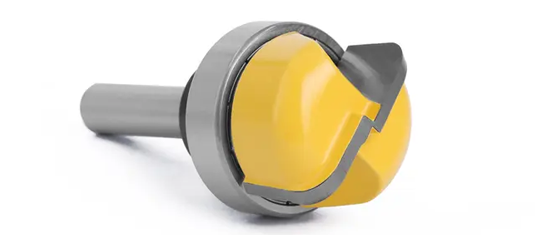
Specialized bits, such as V-bits and ball-nose bits, are designed for specific applications. V-bits are used for engraving and creating beveled edges, while ball-nose bits are ideal for 3D carving and contouring. These bits offer versatility and precision, making them indispensable for complex designs and detailed work.
Selecting the right CNC router bit involves considering several factors, including the material being cut, the desired finish, and the complexity of the design. Additionally, the type of CNC machine and its capabilities play a crucial role in determining the appropriate bit.
Different materials require different types of bits for optimal performance. For instance, CNC Router Bits for wood are designed to handle the fibrous nature of wood, while bits for plastic need to minimize heat buildup to prevent melting. Metal cutting, such as aluminum, requires bits with high durability and sharpness to handle the material's hardness.
The material and coating of the bit significantly impact its performance and longevity. Solid carbide bits offer excellent durability and sharpness, making them suitable for a wide range of materials. TCT (Tungsten Carbide Tipped) bits provide a balance between cost and performance, ideal for heavy-duty applications. Coatings such as titanium nitride enhance the bit's resistance to wear and heat, extending its lifespan.
The size and shape of the bit determine the type of cut and the level of detail achievable. Larger bits are suitable for rough cuts and material removal, while smaller bits are ideal for fine detailing and intricate designs. The shape of the bit, such as flat, round, or pointed, also influences the type of cut and finish.
CNC router bits find applications across various industries, from woodworking and metalworking to plastics and composites. Understanding the specific applications of different bits can help in selecting the right tool for the job.
In woodworking, CNC router bits are used for cutting, shaping, and engraving wood. Essential CNC Router Bits for wood include straight bits for cutting grooves, V-bits for engraving, and spiral bits for smooth cuts. These bits enable craftsmen to create intricate designs and achieve high-quality finishes.
Metalworking requires bits with high durability and precision. CNC Router Bits for Aluminium Cutting are designed to handle the hardness of metals, providing clean cuts and smooth finishes. Solid carbide and TCT bits are commonly used in metalworking due to their strength and sharpness.
Cutting plastics and composites requires bits that minimize heat buildup to prevent melting and distortion. Spiral bits with sharp edges are ideal for these materials, providing clean cuts and reducing the risk of chipping. Specialized bits, such as those with diamond coatings, offer enhanced performance for cutting composites.
Choosing the right CNC router bit is a critical step in achieving precise and efficient results in any machining project. By understanding the different types of bits, their applications, and the factors to consider when selecting them, manufacturers and craftsmen can optimize their processes and enhance the quality of their work. Whether working with wood, metal, or plastic, the right bit can make all the difference in the outcome of a project. For more information on selecting the best CNC router bits, visit CNC Router Bits manufacturer.
1. What are the most common types of CNC router bits?
The most common types of CNC router bits include straight bits, spiral bits, V-bits, and ball-nose bits. Each type serves different purposes and is suitable for specific materials and applications.
2. How do I choose the right CNC router bit for wood?
When choosing a CNC router bit for wood, consider the type of cut you need, the wood's hardness, and the desired finish. Spiral bits are ideal for smooth cuts, while V-bits are great for engraving.
3. What is the difference between up-cut and down-cut spiral bits?
Up-cut spiral bits are designed for efficient chip removal and deep cuts, while down-cut spiral bits minimize surface splintering, making them ideal for laminates and veneers.
4. Can I use the same CNC router bit for different materials?
While some bits are versatile, it's essential to choose bits specifically designed for the material you're working with to achieve the best results and prolong the bit's lifespan.
5. What are the benefits of using solid carbide bits?
Solid carbide bits offer excellent durability and sharpness, making them suitable for a wide range of materials. They provide precise cuts and have a longer lifespan compared to other materials.
6. How do coatings enhance the performance of CNC router bits?
Coatings like titanium nitride enhance a bit's resistance to wear and heat, extending its lifespan and improving performance, especially when cutting hard materials.
7. What should I consider when selecting a CNC router bit for aluminum cutting?
For aluminum cutting, choose bits with high durability and sharpness, such as solid carbide or TCT bits. These bits can handle the hardness of aluminum and provide clean cuts.


