
Views: 0 Author: Site Editor Publish Time: 2025-11-26 Origin: Site


In the realm of woodworking, precision and efficiency are paramount. The advent of CNC (Computer Numerical Control) technology has revolutionized the industry, allowing for intricate designs and high-speed production. At the heart of this technology lies the CNC router bit, a tool that is essential for shaping and cutting materials. Selecting the right CNC router bit can significantly impact the quality of the workpiece and the efficiency of the process. This article delves into the intricacies of choosing the perfect woodworking CNC router bit, providing insights into various types, materials, and applications. For more information on the types of CNC router bits available, you can explore the offerings from CNC Router Bits.
CNC router bits are cutting tools used in CNC machines to carve, cut, and shape materials such as wood, plastic, and aluminum. They come in various shapes and sizes, each designed for specific tasks. The choice of a router bit can influence the finish, speed, and precision of the project. Understanding the different types of CNC router bits is crucial for any woodworker aiming to optimize their work.
There are several types of CNC router bits, each serving a unique purpose. The most common types include straight bits, spiral bits, and V-groove bits. Straight bits are used for making straight cuts, while spiral bits are ideal for cutting and carving due to their ability to remove material efficiently. V-groove bits are used for engraving and decorative work. Each type of bit is designed to perform specific functions, and selecting the right one depends on the material and the desired outcome.
The material of the router bit is a critical factor in its performance and durability. Common materials include high-speed steel (HSS), carbide, and diamond. Solid carbide spiral CNC router bits are known for their strength and longevity, making them suitable for cutting hard materials. TCT (Tungsten Carbide Tipped) CNC router bits offer a balance between cost and performance, providing durability and precision. Choosing the right material depends on the type of material being cut and the specific requirements of the project.
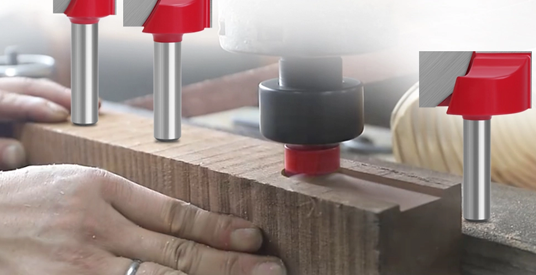
Selecting the right CNC router bit involves considering several factors. These include the type of material being cut, the complexity of the design, and the desired finish. The size and shape of the bit also play a crucial role in determining the quality of the cut. Additionally, the speed and feed rate of the CNC machine should be compatible with the bit to prevent damage and ensure a smooth finish.
Different materials require different types of bits. For instance, CNC router bits for wood are designed to handle the grain and density of wood, while bits for plastic need to minimize heat generation to prevent melting. CNC router bits for aluminum cutting are designed to handle the hardness and abrasiveness of metal. Understanding the material compatibility of the bit is essential for achieving the desired results.
The complexity of the design also influences the choice of router bit. Intricate designs may require specialized bits such as ball nose or engraving bits to achieve the desired level of detail. These bits are designed to handle fine work and provide a smooth finish. For more complex designs, it may be necessary to use multiple bits to achieve the desired result.
The finish of the workpiece is another important consideration. Some projects require a smooth, polished finish, while others may require a rougher texture. The type of bit and the speed of the CNC machine can influence the finish. For a smooth finish, it is important to use a bit with a sharp edge and to adjust the speed and feed rate accordingly.
CNC router bits are used in a wide range of applications, from woodworking to metalworking. In woodworking, they are used to create intricate designs and shapes, while in metalworking, they are used to cut and shape metal components. The versatility of CNC router bits makes them an essential tool in many industries.
In woodworking, CNC router bits are used to create detailed designs and shapes. They are used to cut, carve, and engrave wood, allowing for intricate patterns and designs. The choice of bit depends on the type of wood and the desired outcome. For more information on CNC router bits for wood, you can explore the offerings from CNC Router Bits for wood.
CNC router bits for plastic are designed to minimize heat generation and prevent melting. They are used to cut and shape plastic components, providing a clean and precise finish. The choice of bit depends on the type of plastic and the desired outcome. For more information on CNC router bits for plastic, you can explore the offerings from CNC Router Bits for plastic.
In metalworking, CNC router bits are used to cut and shape metal components. They are designed to handle the hardness and abrasiveness of metal, providing a clean and precise finish. The choice of bit depends on the type of metal and the desired outcome. For more information on CNC router bits for aluminum cutting, you can explore the offerings from CNC Router Bits for Aluminium Cutting.
Choosing the right CNC router bit is essential for achieving the desired results in any project. By understanding the different types of bits, their materials, and their applications, woodworkers can optimize their work and achieve a high level of precision and efficiency. Whether working with wood, plastic, or metal, the right CNC router bit can make all the difference. For more information on CNC router bits, you can explore the offerings from CNC Router Bits manufacturer.
1. What are the essential CNC router bits for beginners?
Beginners should start with a basic set of essential CNC router bits, including straight bits, spiral bits, and V-groove bits. These bits cover a wide range of applications and are suitable for most woodworking projects.
2. How do I choose the right CNC router bit for my project?
Choosing the right CNC router bit involves considering the material being cut, the complexity of the design, and the desired finish. It is important to select a bit that is compatible with the material and the specific requirements of the project.
3. What materials are CNC router bits made from?
CNC router bits are commonly made from high-speed steel (HSS), carbide, and diamond. Each material offers different levels of strength and durability, making them suitable for different applications.
4. Can CNC router bits be used for metalworking?
Yes, CNC router bits can be used for metalworking. However, it is important to select bits that are specifically designed for cutting metal, such as those made from solid carbide or TCT.
5. What is the difference between solid carbide and TCT CNC router bits?
Solid carbide CNC router bits are made entirely from carbide, offering high strength and durability. TCT (Tungsten Carbide Tipped) bits have a carbide tip, providing a balance between cost and performance.
6. How do I maintain my CNC router bits?
To maintain CNC router bits, it is important to keep them clean and sharp. Regularly inspect the bits for wear and damage, and replace them as needed to ensure optimal performance.


